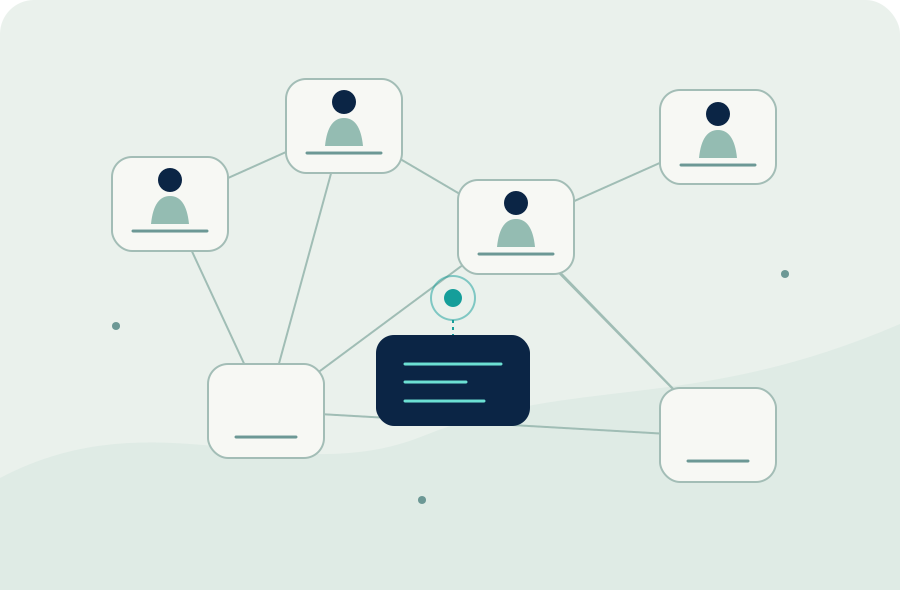
Decisions without client context
A recommendation may depend on capacity, timing, jurisdiction, or particular systems. Outside those limits it may be wrong.
CONSULTING · CONTINUITY BETWEEN PROJECTS
Professional-services firms accumulate methods, project decisions, client constraints, and ways to solve problems. PRAITO ONE can support useful continuity without turning one client’s material into another client’s context.
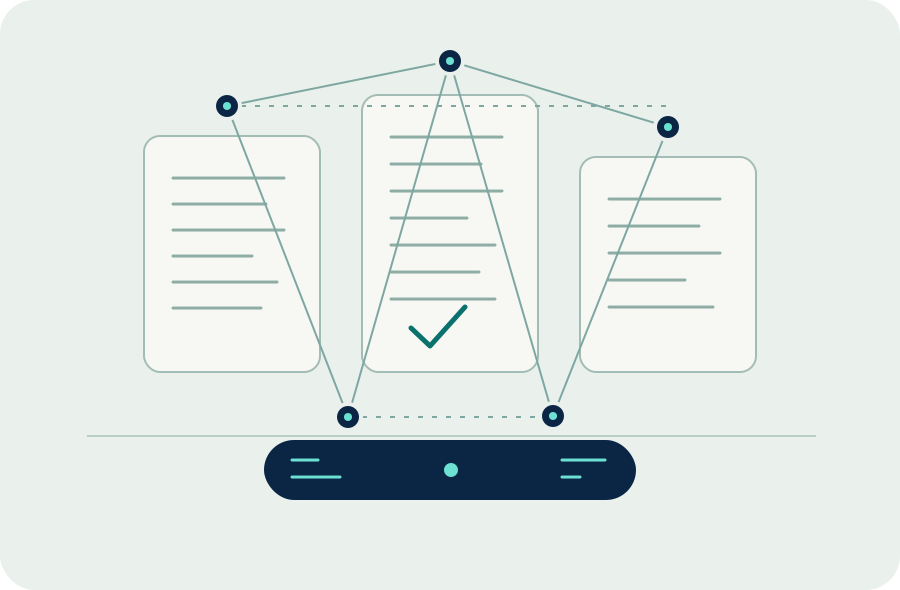
A final deliverable rarely contains every decision, assumption, and limit that explains why a solution was chosen.
A recommendation may depend on capacity, timing, jurisdiction, or particular systems. Outside those limits it may be wrong.
Teams repeat the analysis sequence, quality criteria, and common failure modes when people change.
A solution that worked for one client may contain strategy, data, or intellectual property that cannot move to another account.
Continuity separates reusable methods from client-specific knowledge and retains the provenance needed to tell them apart.
The team resolves a need within the client’s project and its explicit, authorized constraints.
The result can trace assumptions, alternatives, methods used, and acceptance criteria that were actually supported.
When features and the rules permit, saved knowledge keeps learning within the authorized project or workspace—not as a complete history.
Applying a method to another account requires an approved generalization without the source client’s data, strategy, or private material.
FICTIONAL · ILLUSTRATIVE EXAMPLE
A consultant records in the client’s project why the rollout order changed and which constraints drove that decision.
The team separates its working method from the data, names, and commercial decisions that belong only to that account.
If the applicable rules and approvals allow it, a distinct general pattern is created; the original knowledge keeps its limits and origin.
Months later, another team uses the approved pattern as a starting point, rechecks its conditions, and receives no private Project A material.
Accumulated learning can reduce repeated questions, provided every conclusion stays tied to its limits and provenance.
Analysis frameworks and sequences that have been reviewed and are permitted for reuse.
Assumptions, acceptance criteria, and rejected alternatives within the scope of that client.
Dependencies, regulatory limits, and conditions to confirm before repeating an approach.
Only generalizations with their own identity and origin—not copied private content or silent promotion.
PRAITO ONE is PRAITO’s work intelligence and may use provider models. Company Brain represents controlled knowledge you can take with you, not the AI engine. Method continuity does not remove each client’s rules or restrictions.
A client’s private information does not move to another project because it seems useful or similar. Conversations do not automatically train any model; saved knowledge and patterns remain limited to what is authorized.
A firm works with clauses, restrictions, internal precedents, and decisions that remain tied to their source, jurisdiction, and confidentiality. PRAITO ONE can support continuity for authorized work without turning a case file into shared knowledge.
Law firms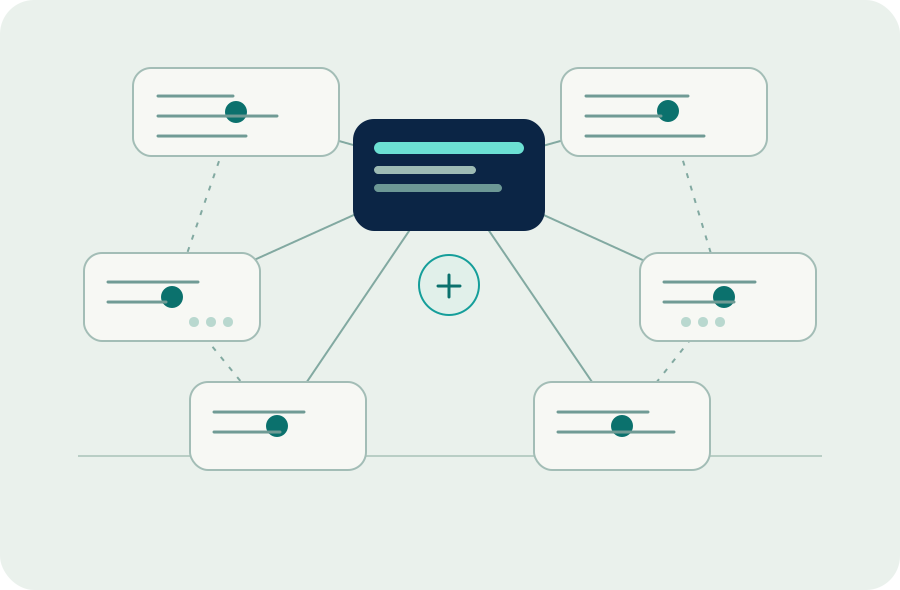
Agencies accumulate hypotheses, brand voice, client decisions, and campaign learnings. PRAITO ONE can help keep that context available for authorized work without exposing another brand’s private information again.
Marketing agencies
Engineering work spans manual versions, technical decisions, incidents, commissioning, and verified solutions. PRAITO ONE can support continuity for authorized work while keeping configuration, provenance, and system boundaries visible.
Engineering and industryKeep client context separate from patterns you are permitted to reuse.