
Procedures kept in someone’s head
Recurring work changes with whoever is available, especially when a critical step was never written down.
OPERATIONS · TEAM CONTINUITY
Daily administration depends on procedures, decisions, incidents, customers, and suppliers. PRAITO ONE can help retain authorized context that a new teammate needs without assuming every note or meeting becomes memory.
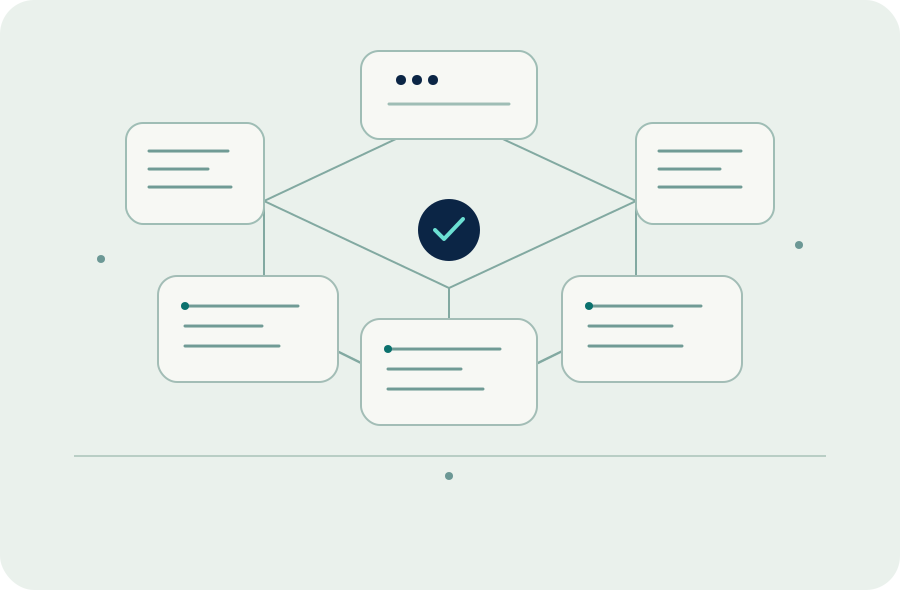
Handoffs fail when an instruction omits its owner, exception, date, or the reason behind the latest decision.
Recurring work changes with whoever is available, especially when a critical step was never written down.
Meeting notes and agreements may omit what was approved, who owns the next step, and what remains open.
A team investigates a delay or exception again because the prior case stayed in someone’s inbox.
Continuity organizes decisions and procedures so authorized teammates can verify them in the next piece of work.
A person frames the task within the project or context that applies and uses only information available to their role and permissions.
Confirmed steps, decisions, owner, date, and exception are distinguished; an informal note is not automatically a policy.
When the system and authorization permit, saved knowledge, within its limits, may retain a procedure or resolved incident with provenance.
An incoming teammate retrieves information within their permissions and checks it is current before following a process or contacting a supplier.
FICTIONAL · ILLUSTRATIVE EXAMPLE
A coordinator records a supplier delay and separates confirmed facts from an explanation that has not yet been verified.
The lead agrees on a fallback, sets a review date, and notes which team must authorize any change.
If enabled and authorized, that summary may become knowledge limited to those with permission without storing the entire conversation or unnecessary data.
Months later, another person with the same permissions retrieves the status, checks that the procedure is current, and resumes only the open work.
Continuity can surface organizational knowledge that currently depends on specific people, without granting access just because someone joins a team.
Steps, exceptions, and signals that indicate when to stop and request review.
What was agreed, who owns it, and which condition means the issue should be reopened.
Confirmed causes, tested responses, and issues that must not be described as solved.
Commitments and dependencies available and authorized for the applicable workspace or project.
PRAITO ONE can use provider models; Company Brain describes lasting, controlled knowledge you can take with you, not part of the model. Organizational context is neither automatic training nor unbounded memory.
Not every meeting or conversation becomes memory. Today PRAITO keeps only enabled knowledge, for those with permission; permissions, origin, validity, and rules determine what may be reused.

Finance teams work with evidence, procedures, exceptions, and criteria that change across periods. PRAITO ONE can carry authorized context and references forward without replacing accounting checks or audit judgment.
Finance and audit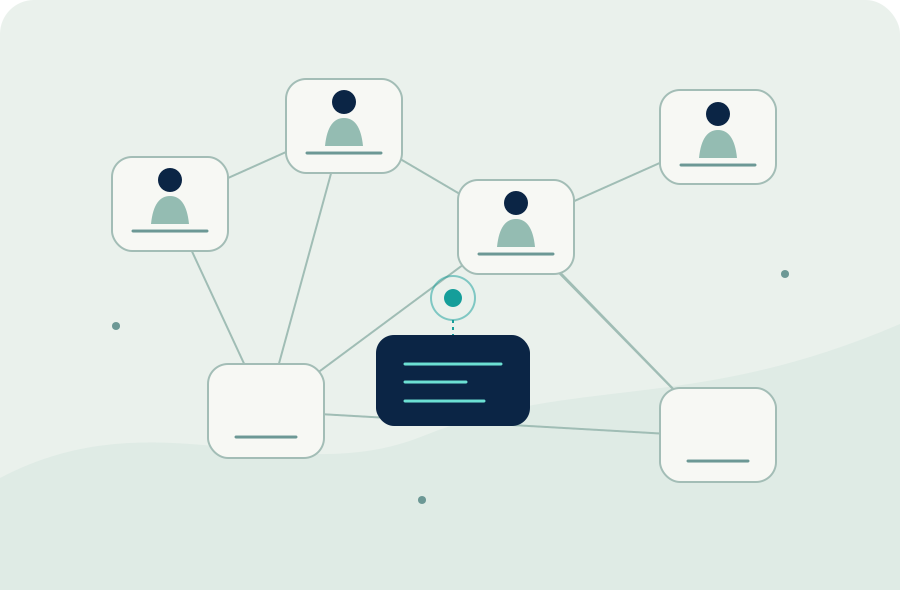
Professional-services firms accumulate methods, project decisions, client constraints, and ways to solve problems. PRAITO ONE can support useful continuity without turning one client’s material into another client’s context.
Consulting and professional services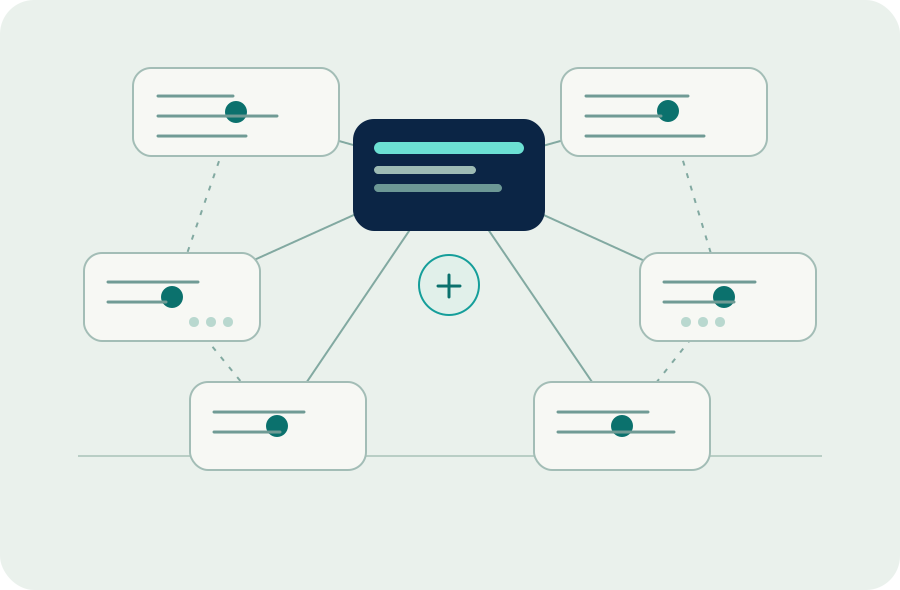
Agencies accumulate hypotheses, brand voice, client decisions, and campaign learnings. PRAITO ONE can help keep that context available for authorized work without exposing another brand’s private information again.
Marketing agenciesStart with a decision, procedure, or incident your team is authorized to share.